
Cyber security isn’t about complex tools or scare tactics. Most successful attacks exploit basic weaknesses, the kind that are often overlooked in day-to-day operations.
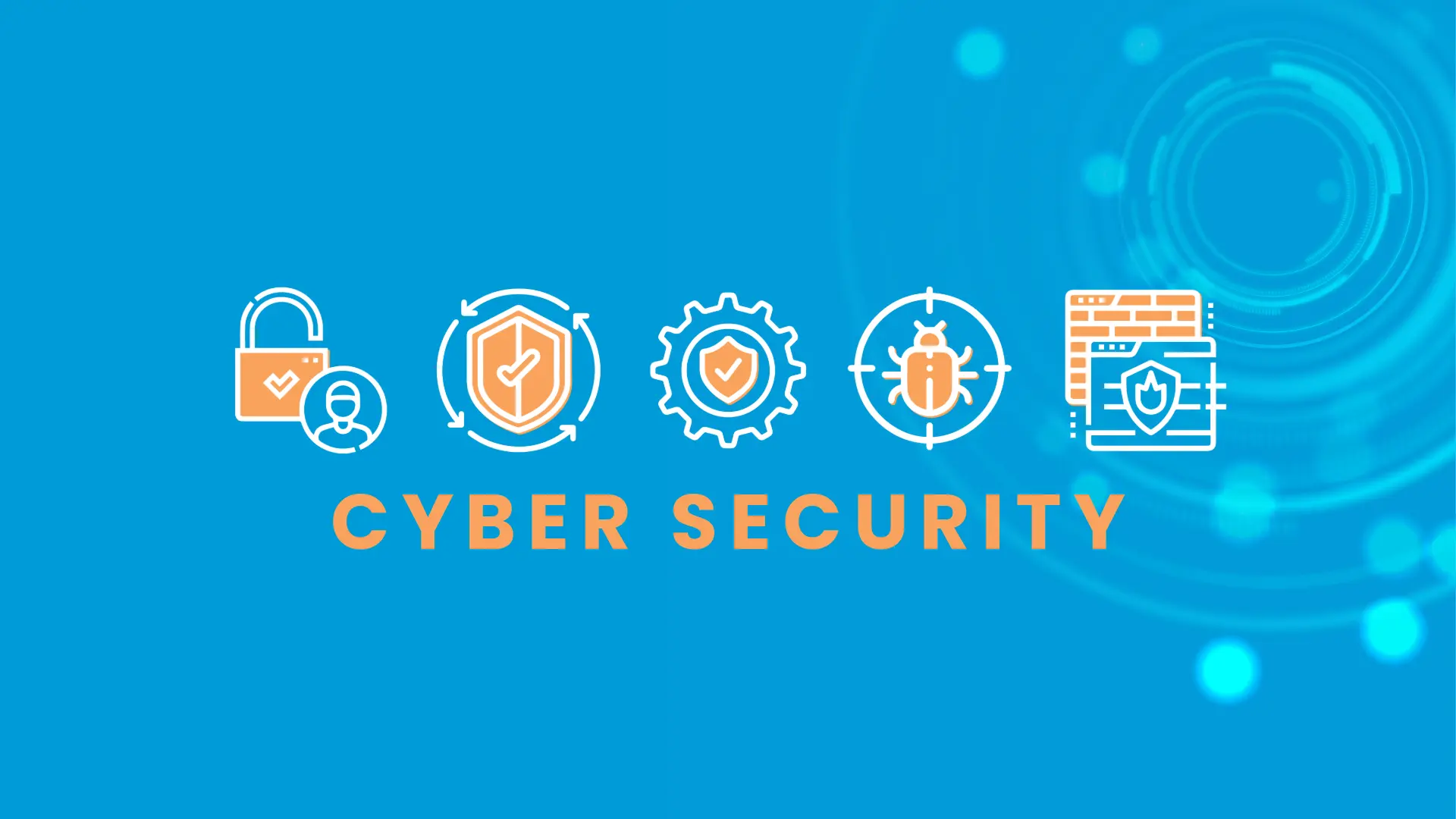
Cyber Essentials focuses on five core controls designed to protect organisations from the most common threats. When implemented correctly, they form a strong, practical foundation for business security.
Here’s how each control works, why it matters, and what good practice looks like.
1. User Access Control: Limiting Access to Limit Risk
What is user access control?
User access control defines who can access systems and data, and what actions they’re permitted to take. A key principle is least privilege; users only have access to what they need.
Why it matters
Excessive access increases the impact of compromised accounts or human error. Shared logins, weak passwords, and unnecessary admin rights make it easier for attackers to move through a system undetected.
How access should be managed
- Role-based access aligned to job responsibilities
- Separate admin and standard user accounts
- Strong password policies and MFA
- Regular access reviews
2. Secure Configuration: Reducing Your Attack Surface
What is secure configuration?
Secure configuration ensures systems, devices, and applications are set up in a way that minimises risk. This includes removing unnecessary software, disabling unused services, and changing default settings that could be exploited.
Why it matters
Default configurations prioritise usability, not security. Leaving unnecessary features enabled increases the number of potential entry points for attackers. Misconfiguration is one of the most common causes of unauthorised access.
What secure configuration looks like
- Default passwords are changed
- Unused ports and services are disabled
- Only essential software is installed
- Configuration settings are reviewed regularly
3. Malware Protection: Preventing, Detecting, Responding
What is malware protection?
Malware protection involves using tools and processes to prevent malicious software from infecting systems, while also detecting and responding quickly if it does.
Modern threats include ransomware, spyware, and phishing-based attacks.
Why it matters
Malware can disrupt operations, compromise sensitive data, and lead to financial loss. Relying on basic antivirus alone is no longer sufficient against evolving threats.
What effective malware protection looks like
- Endpoint protection across all devices
- Real-time monitoring and alerts
- Email and web filtering
- User awareness to reduce phishing risk
4. Security Update Management: Closing Known Vulnerabilities
What is security update management?
This control focuses on keeping operating systems and applications up to date with the latest security patches that fix known weaknesses.
Why it matters
Attackers routinely exploit vulnerabilities that already have fixes available. Delayed updates leave systems exposed, particularly where unsupported or legacy software is in use.
Security update management in practice
- Automated patching where possible
- Testing updates before deployment
- Clear update schedules
- Visibility over patch status across systems
5. Firewalls: Controlling What Comes In and Goes Out
What is a firewall?
A firewall monitors and controls network traffic, allowing or blocking connections based on defined security rules. It acts as a barrier between internal systems and external networks.
Why it matters
Without effective firewall controls, networks are more exposed to unauthorised access and data interception. Poorly managed rules can create gaps attackers can exploit.
What effective firewall protection looks like
- Firewalls configured to business needs
- Regular rule reviews and clean-up
- Monitoring for unusual activity
- Secure remote access controls
Bringing It All Together with E2 Technology Solutions
Implementing these five controls effectively requires more than a one-off setup. Systems change, users change, and threats evolve.
At E2 Technology Solutions, we support businesses by:
- Assessing current security controls
- Implement solutions aligned to your business needs
- Managing and maintaining security over time
- Providing clear guidance without unnecessary jargon
Whether you’re working towards Cyber Essentials certification or simply want to strengthen your security foundations, we help make cyber security practical, manageable, and aligned with your business.
Get in touch to book an IT review today: 01455 611557!